New worker training: Your legal role as an employer in Ontario

With summer hiring ramping up, it’s easy to focus on filling shifts and getting people on the floor quickly. But overlooking health and safety training can put workers at risk. Every new hire, whether a server, cashier, or grounds crew member, must receive mandatory health and safety training before they start work.
Training must also be provided to temporary workers, contractors, visitors, and suppliers; anyone entering your business to work should follow the same safety standards as employees. And the stakes are high: new and young workers are significantly more vulnerable, with studies showing they are up to four times more likely to be injured in their first month on the job.
Building your health and safety training
1. Generic Orientation covers information common to all workplace parties and can often be delivered in a group setting. Information such as:
- Basic Occupational Health and Safety Awareness Training: Educates new workers about their rights, responsibilities, and the importance of workplace safety. This online training is available for free for workers. There is also a free training for supervisors.
- Workplace Hazardous Materials Information System (WHMIS): This training must be taken by anyone who may be exposed to hazardous substances at work. Because hazardous substances include everything from cleaning products to gasoline, almost all workers require WHMIS training.
- Workplace Violence and Harassment: Employers are responsible for creating and enforcing a policy and program addressing workplace violence and harassment, along with providing training to employees.
2. Job-specific hazard training: Focuses on teaching employees to work safely with the hazards they will be exposed to while doing their jobs. This training would cover topics such as:
- Working at Heights: If you have staff working on ladders at three metres or higher, they will need Ministry of Labour, Immigration, Training and Skills Development-approved Working at Heights training.
- safe work procedures
- how to use specific tools and equipment for the job
- proper PPE use and care/replacement of PPE
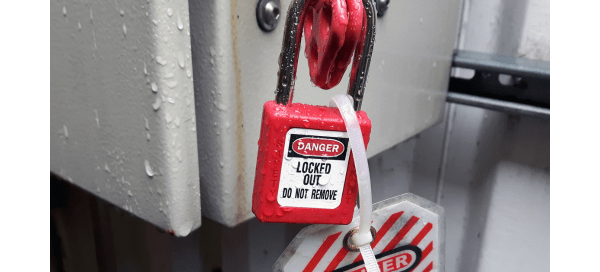
- lockout and tag-out procedures for equipment
- job-specific WHMIS hazards
When should you train employees?
Employees should receive orientation on their first day on the job, so that they understand everyone’s role and the Internal Responsibility System (IRS). All workers must be trained to perform their job tasks safely before working independently.
Remember to keep track of who is being trained and follow up with anyone who misses a session. Training records are important to demonstrate compliance with Ontario health and safety law.
Need help getting started?
WSPS consultants can help you develop an effective training program. Contact us today.
Safety Resources
- New worker training: Are you meeting your legal requirements? - Learn what safety training you need to provide to stay compliant and best practices to help your new hires hit the ground running.
- WSPS Small Business Centre - Enhance your health and safety program with training, checklists and tools, available to workplaces of any size.
- Health & Safety Handbook Generator - Quickly produce an employee health and safety handbook that adds value to your orientation training.
The information in this article is accurate as of its publication date.