Creating a safety buzz: 10 ways to engage workers through safety messaging

How do organizations create a lasting ‘safety buzz’ that fosters greater employee engagement and cultivates a vibrant safety culture? First, ensure there is a strong and visible management commitment to safety, says WSPS Health and Safety Consultant Tova Larsen. “Employers ‘walking their talk’ with consistent messaging establishes a strong safety culture at every level of the organization that workers and supervisors see and feel.”
Next, move your safety messaging beyond the generic. “Make it dynamic and motivating. The goal is not just to increase awareness, but to drive safe behaviours and empower employees to take ownership of their own and others’ safety. Make it relevant and specific – your workplace’s equipment, your hazards, your region and town. Workers should be able to see how they can apply what they’re hearing day-to-day.”
To be effective, safety messaging should be clear, timely, relevant, and interactive, and be delivered across all available communications channels – in-person, print, digital, social media, email, apps, and posters to enhance reach and visibility. “Combining visual aids (posters, infographics), in-person methods (meetings, training) and digital tools (alerts, safety apps, digital signage) allows you to reach all employees, including remote or hybrid workers.”
Get your JHSC involved
While responsibility for safety messaging and initiatives rests with management, the joint health and safety committee (JHSC) should be consulted on efforts to champion and promote health and safety, notes Tova. The JHSC can:
- recommend hot topics, campaigns or approaches from the worker perspective
- reinforce safety messages informally through worker networks and meetings
- gather feedback on the success of management’s communication
- co-create content for social media
- propose improvements to safety communications strategies
“The JHSC can also generate awareness, excitement and engagement on its own by creating their own monthly or quarterly newsletter,” says Tova.
10 ways to create a safety buzz through dynamic messaging
Make your safety messages more engaging and responsive with these ideas from Tova.
1. Use real-life examples with video testimonials. Build authenticity and trust by asking employees to share near misses or safe behaviour successes in video clips. Use in safety talks, training, or on digital display screens.
2. Take advantage of a variety of multimedia formats. Use a mix of text, images, audio, video and other formats to pique interest and reach employees who have different levels of comfort with technology and varying language skills. For example, use easy-to-digest graphics and animations to simplify procedures and highlight key risks.
3. Utilize mobile devices. Deliver time-sensitive safety updates, emergency notifications, or reminders about procedures via text messaging, emails, apps, and instant alerts.
4. Make it interactive. Use quizzes, polls, games, or safety challenges to boost participation and reinforce learning. Distribute and discuss at meetings, add QR codes to display screens or use apps to provide employees with more information.
5. Use digital signage in high-traffic areas to grab attention. Updatable screens are a great way to communicate real-time hazard alerts, proper use of personal protective equipment (PPE), pre-shift reminders and more, via text, videos, or animation. “Digital screens make it easy to switch up content frequently to keep things fresh.”
6. Focus on positive reinforcement. Highlight safe behaviours and celebrate achievements. Acknowledge individuals or teams who demonstrate safe behaviours or contribute safety ideas during meetings and safety talks, and on digital screens or social media. “Celebrate successes, but avoid focusing on ‘no lost-time’ streaks as this may discourage workers from reporting incidents out of fear of breaking that streak.”
7. Promote two-way communication. Encourage feedback, anonymous reporting, and employee participation in safety initiatives to build trust and ownership. Build feedback mechanisms into all your communication channels. “Whether it’s hazard reporting software, a JHSC email, or recruitment for your latest safety team initiative or sub-committee, promote participation with clear calls to action and ‘what’s in it for me’ for employees
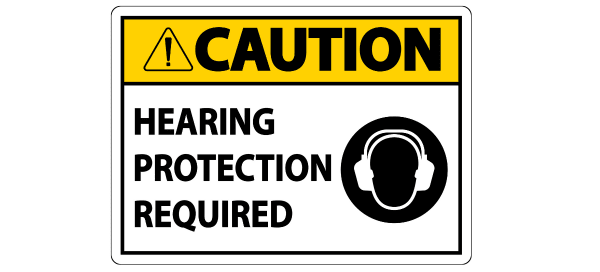
8. Reinforce messages regularly. Repeat key safety reminders through different channels, such as toolbox talks, texts and screen alerts, to combat message fatigue and improve retention. “Reinforce safety by making it personal – remind staff of what they’re ultimately protecting,” says Tova. “By working safely, we’re protecting our ability to pursue hobbies and interests, and be there for the people we love when they need us the most. Messages like, ‘I wear my hearing protection today so I can hear my grandkids tomorrow,’ can really tug at heartstrings and encourage compliance.”
9. Time messages strategically. Deliver messages and reminders at the start of shifts or before high-risk tasks, communicate seasonal hazards, such as winter safety, as the season approaches, and provide government alerts, such as weather warnings, as quickly as possible.
10. Engage younger members of your workforce through social media. Create accounts for your organization on X and Instagram and promote them through company emails, at team meetings, on posters and display boards. Consider developing your own company hashtag to show your commitment to safety. Encourage employees to use the hashtag to share their own safety moments.
How WSPS can help
Training
- JHSC Certification Part 1 (3-day instructor-led virtual or in-person training) or (self-paced online learning)
- JHSC Certification Part 2 by sector (2-day instructor-led virtual or in-person training)
- Warehousing & Distribution
- Service
- Offices
- Manufacturing
- Agriculture
- JHSC Refresher (1-day instructor-led virtual or in person training)
Resources
- JHSC Meeting Minutes Template Recording Form
- Workplace Inspection Recording Form Template
- Joint Health and Safety Committee Terms of Reference
- JHSC Notice of Recommendation (PDF)
- JHSC Toolkit (PDF)
- JHSC Notice Board Form - Use this form to post the names of your joint health and safety committee members.
- Joint Health and Safety Committees (JHSC): An Overview
- How can a JHSC conduct effective workplace inspections on-site? (video)
The information in this article is accurate as of its publication date.