Login / Register
Shop
Login / Register
Shop
Read More
Return to Resource Hub
Content
Filter
10 results found
Featured
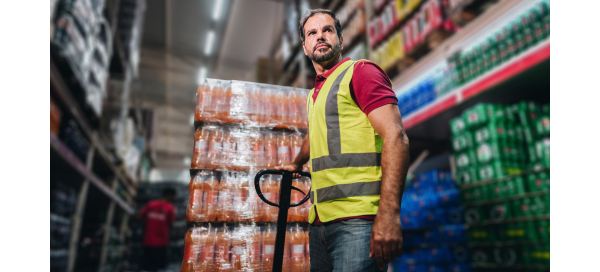
Three ways grocery stores can prevent struck-by injuries
Featured
How to prevent cuts and lacerations in grocery stores through better training: 6 tips for employers
Featured
Grocery store safety: 5 ways to reduce musculoskeletal injury risks
Featured
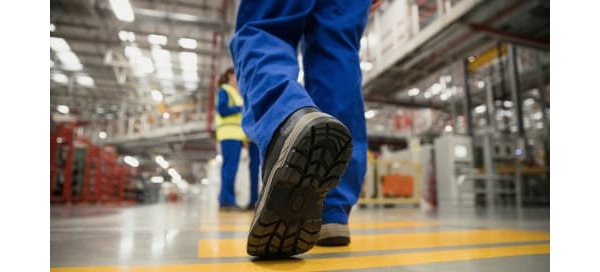
Reducing slips, trips and falls in automotive plants starts with housekeeping
Featured
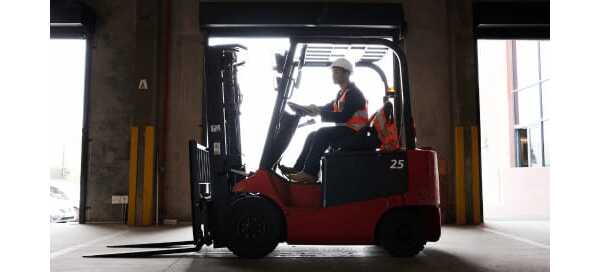
Preventing pedestrian and mobile equipment collisions in automotive manufacturing
Featured
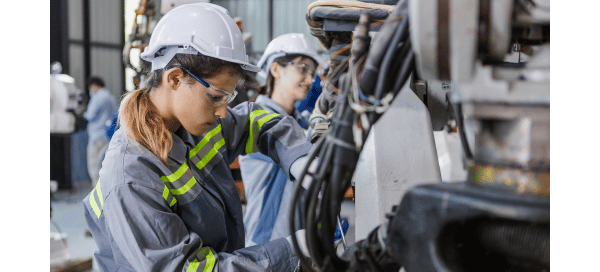
5 ways auto manufacturers can prevent musculoskeletal disorders
Featured
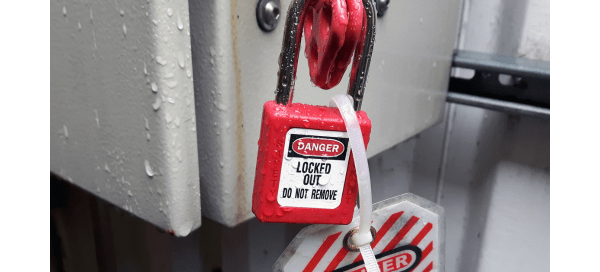
Preventing hazardous energy injuries in automotive manufacturing
Featured
Bringing contractors onsite? Here's how automotive manufacturers can keep everyone safe
Featured
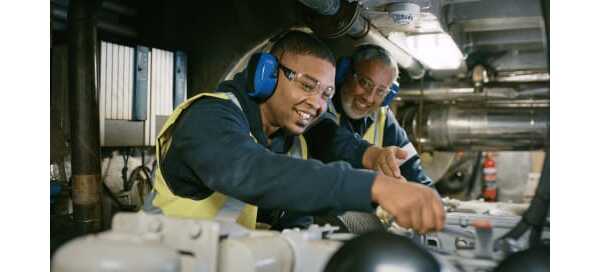
How auto manufacturing employers can prevent noise-induced hearing loss
Featured
Retail inspections for material handling hazards underway: What you need to know
Featured
Roles
None
Employer or Senior Leader
(10)
Topics
None
Manual & Mechanical Material Handling
(3)
Ergonomics MSDs
(1)
Machine Safety Guarding & Robotics
(1)
MSD Prevention in the Retail Sector
(1)
Hazards
None
Slips, Trips & Falls
(1)
Motor Vehicles & Powered Equipment
(1)
Machinery & Tools
(1)
Noise
(1)
Other (Electrical, Noise, etc.)
(1)
Industries
None
Services
(3)
Automotive Manufacturing
(4)
Retail
(1)
Languages
None
English
(10)