Beyond Financial Returns: The real ROI of Workplace Psychological Safety
ROI in psychological health and safety goes beyond dollars. Learn why organizations should measure the broader value of employee well-being.
Read Article


ROI in psychological health and safety goes beyond dollars. Learn why organizations should measure the broader value of employee well-being.
Read Article
MLITSD noise inspections are underway across Ontario. Learn employer duties under Reg. 381/15, how to assess exposure, apply engineering controls, select hearing protection, and prepare documentation.
Read Article
Protect restaurant and hospitality staff from extreme heat with simple, effective heat stress prevention strategies. Keep teams safe, productive, and compliant during hot weather shifts.
Read Document
Learn how MLITSD conducts field visits, interpret reports, and respond to orders with confidence. Gain expert insights and practical compliance tips. Watch video to stay prepared and informed.
Watch Video
Help make your business less vulnerable to crime and keep customers and staff safe
Get startedWorkplace mental health is critical in social services. Explore key risks, impacts, and solutions to support employee well-being and reduce burnout. Watch video to learn more.
Watch Video
Stay on top of the latest in OHS news with eNews & updates
Sign me upPrepare for the MLITSD's retail inspections by addressing material handling risks. Get tips to reduce MSDs, falls, and struck-by injuries while strengthening safety policies, training, and compliance.
Read Article
Workplace safety is a must—not a maybe. Learn essential practices and a powerful free tool to simplify compliance for any business stage. Watch video to strengthen your safety approach.
Watch Video
An MLITSD farm inspection campaign is underway in Ontario, targeting hazards like machinery, falls, and livestock. Learn how employers can meet OHSA requirements and prepare for an inspection.
Read Article
Watch video to learn what to expect during visits, key compliance focus areas, and practical steps operators can take to enhance safety standards during boating season.
Watch Video
Keep your workers safe with quick safety tips
Watch nowWatch video to learn how musculoskeletal disorders in grocery stores go beyond lack of training, often driven by operational pressures and workplace culture.
Watch Video
Watch video of this easy-to-follow webinar breaking down the WHMIS and Chemical Exposure checklist, helping identify gaps, interpret requirements, and apply best practices for safer workplaces.
Watch Video
This Workplace Inspection Record Form Template is a structured document used to capture safety, compliance, and operational issues identified during routine workplace inspections.
Read Document
Burnout is rising in Canadian workplaces. Learn the costs, warning signs, and practical steps leaders can take to prevent burnout and support employees.
Read Article
When expectations are unclear, culture and performance suffer. Defining expected behaviours boosts engagement, performance, and psych health and safety.
Read Article
This safety standard describes planer hazards and required protections to reduce injuries, control kickback risks, and support safe operations.
Read Document
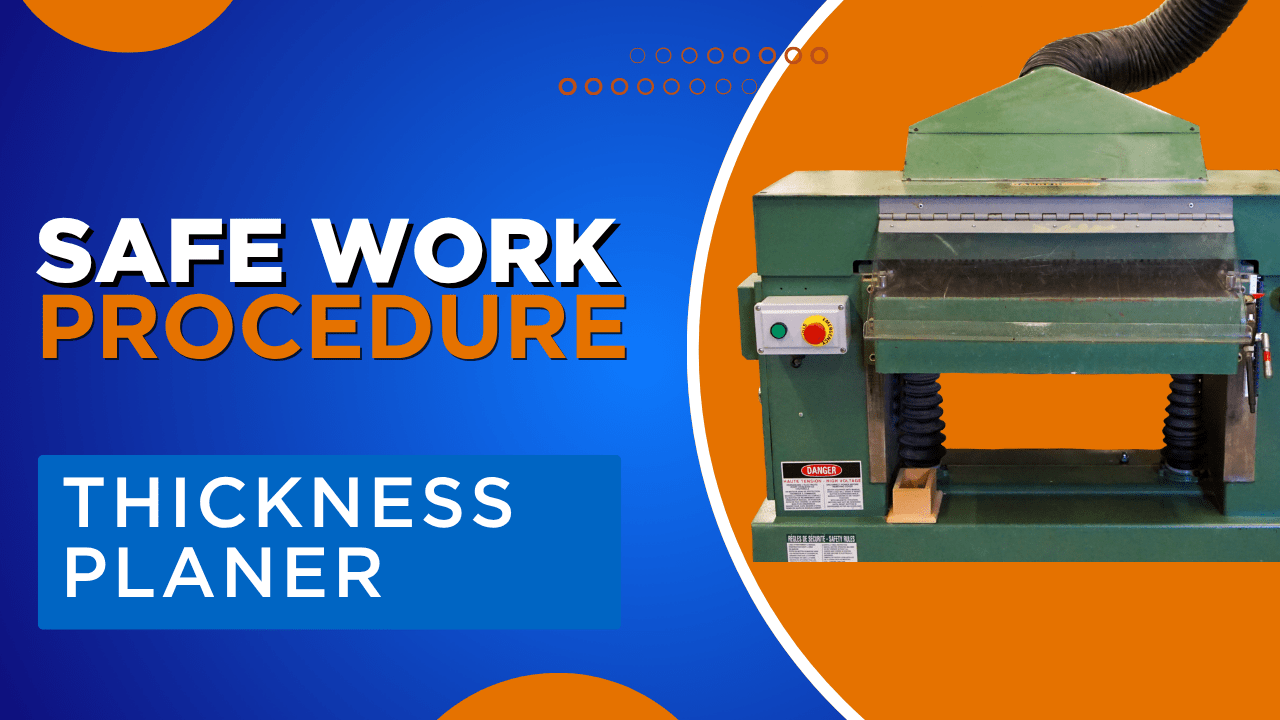
This safe work procedure provides step‑by‑step instructions for safe planer operation to help prevent kickback, reduce exposure to hazards, and protect workers.
Read Document
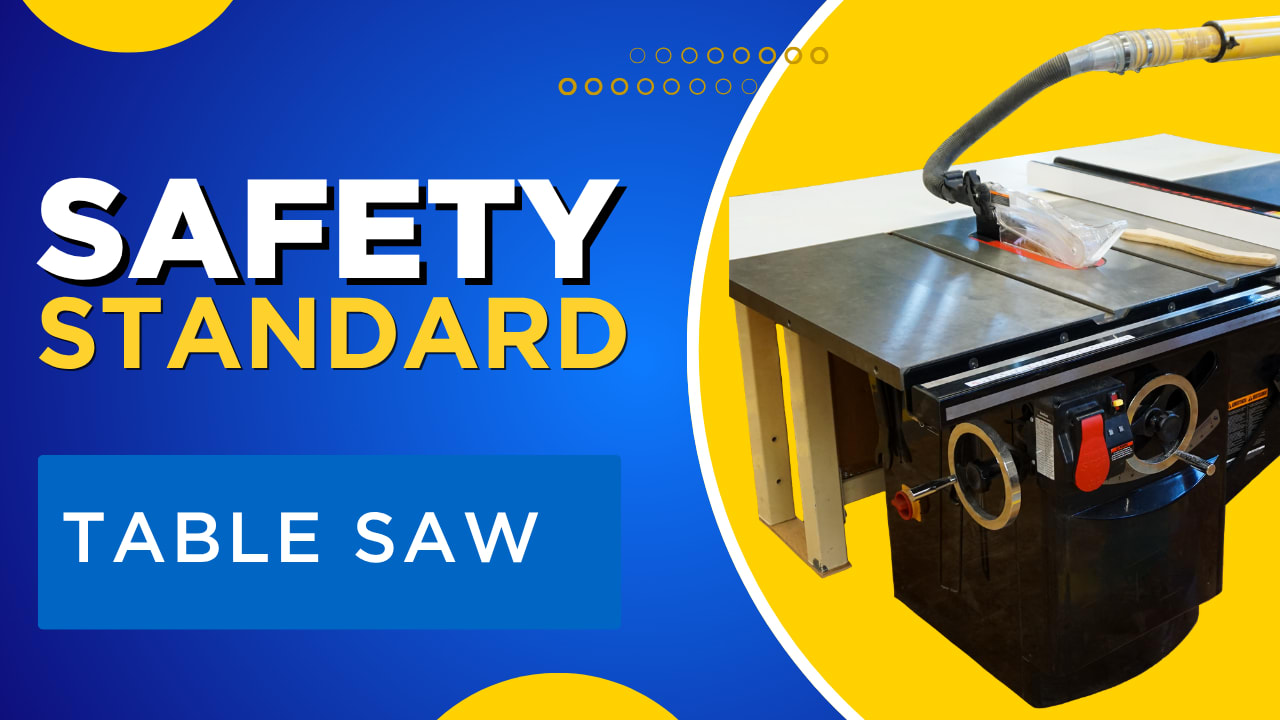
This safety standard identifies table saw hazards and safety controls to help prevent serious injuries and support effective risk management and compliance.
Read Document
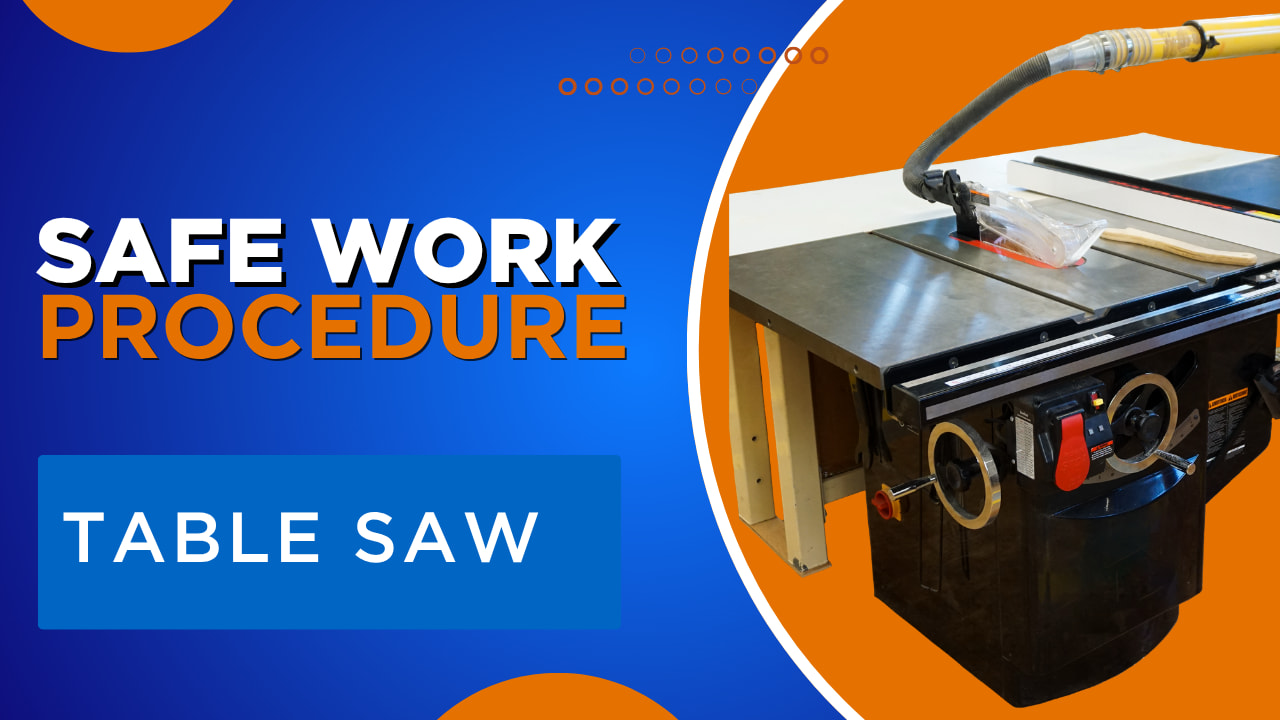
This safe work procedure defines safe table saw setup and cutting practices to reduce serious injury risks and support consistent, compliant woodworking operations.
Read Document
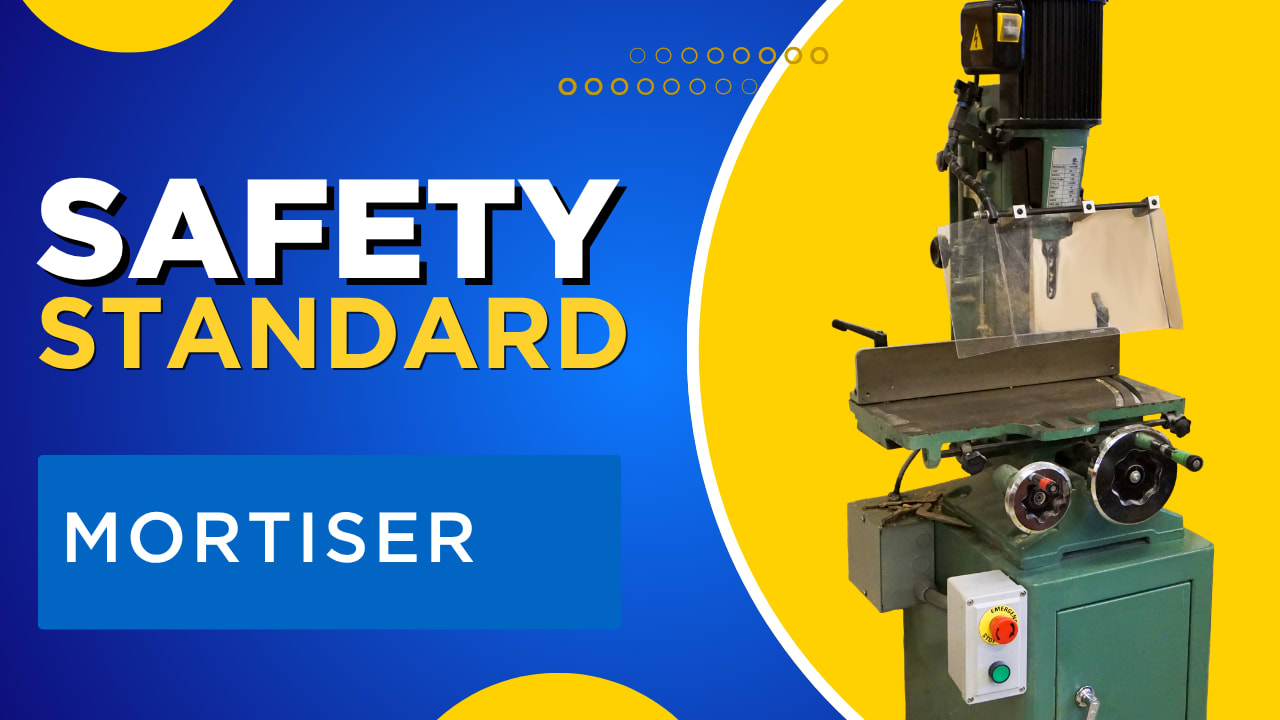
This safety standard highlights mortiser hazards and control measures to help assess risk, protect workers, and meet health and safety requirements.
Read Document
Be an OHS leader with inspiration from The Trusted Leader blog
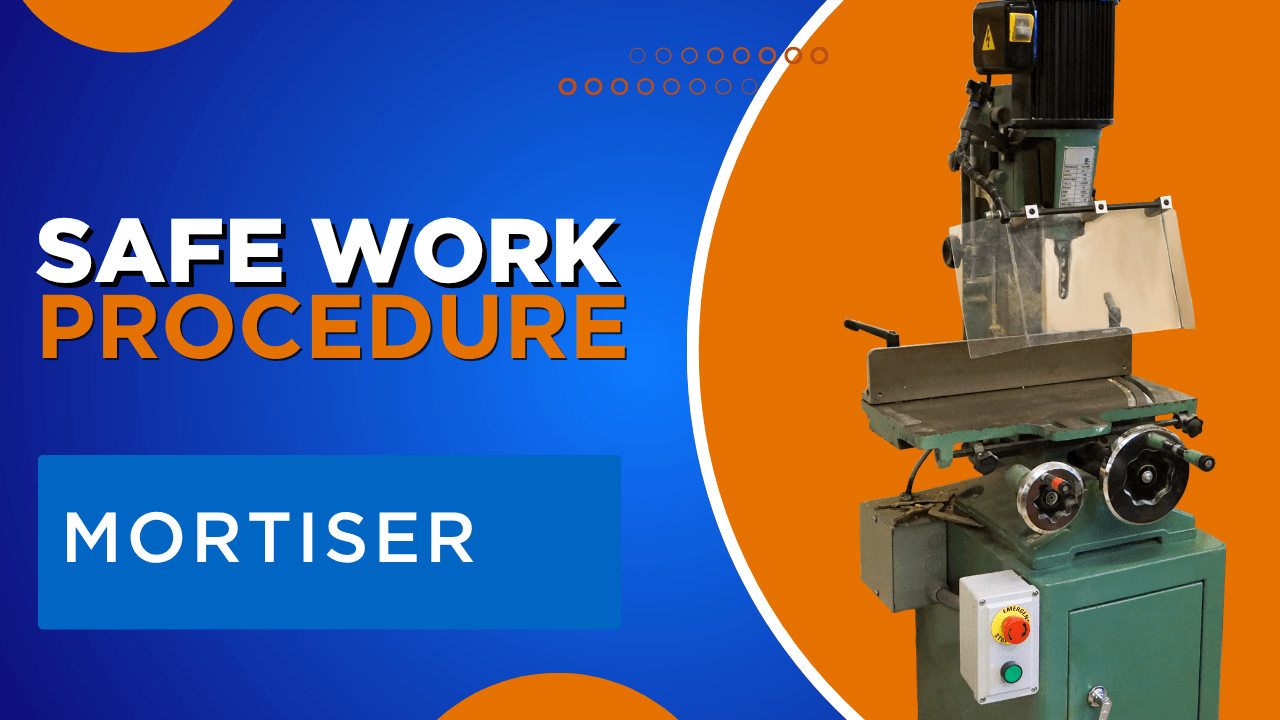
Get startedThis safe work procedure outlines safe mortiser setup and operation to reduce injury risks, support proper work practices, and reinforce equipment-specific training.
Read Document
Loading More...