Search WSPS.CA
Search WSPS.CA
From April 1, 2026, to March 31, 2027, the Ministry of Labour, Immigration, Training and Skills Development of Ontario (MLITSD) will be visiting farming and agriculture workplaces to check health and safety requirements. These visits can happen at any time and without notice.
Be inspection‑ready. Understanding your responsibilities, managing your hazards, and training your people on their responsibilities and rights helps protect workers, and makes your farm safer.
Strong farms start with safe work. Need help getting started? You’re not on your own. We’re here to help you understand requirements and improve safety before an inspector arrives. Get free tools, guides, and or contact to us to get in touch with a safety expert.
Explore resources by inspection focus area:
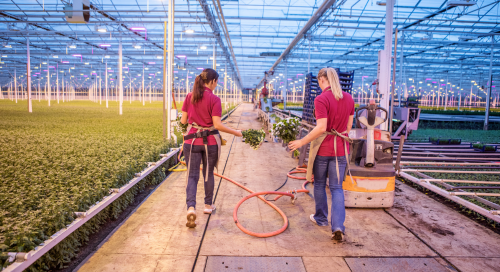
A strong Internal Responsibility System (IRS) helps everyone on the farm understand their role in keeping the workplace safe. When employers, supervisors, and workers work together to identify hazards and address concerns, safety becomes part of everyday operations. Explore these resources to better understand health and safety responsibilities, strengthen your safety program, and support OHSA compliance.
Explore practical tools, assessments and guidance to help identify hazards, reduce risk and improve safety performance across your operation.
Give supervisors and workers the knowledge and tools they need to meet their health and safety responsibilities.
Learn how Ontario's Occupational Health and Safety Act applies to farming operations. This practical guide explains employer, supervisor, and worker responsibilities, helping you strengthen compliance and support a safer workplace.
Understand the health and safety representation requirements for farming operations and learn how worker representatives and committees help support compliance, communication, and continuous improvement in workplace safety.
Get practical information on workplace hazards, legal responsibilities, and safe work practices to help protect workers and support a safer farming operation.
Help ensure temporary, seasonal, and agency workers receive the information, instruction, and supervision they need to work safely while supporting your workplace's health and safety responsibilities.
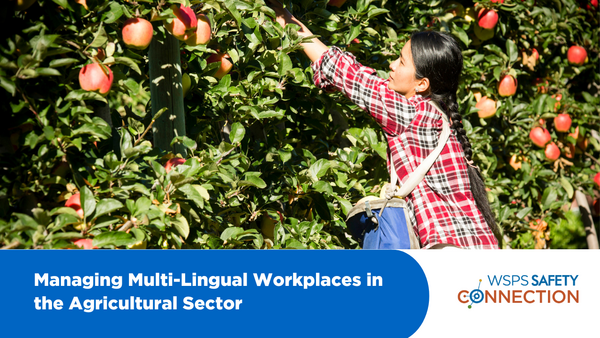
Find practical resources to support onboarding, communication, training, and worker well-being while helping international agri-food workers understand workplace expectations and health and safety requirements.

Access Ontario's latest health and safety legislation in one convenient reference for agricultural workplaces.
Get straightforward health and safety guidance tailored to agricultural workplaces. Explore practical tips and resources to help protect workers, prevent injuries, and support compliance.
Agricultural workers can be exposed to serious crush and struck-by hazards from equipment, vehicles, livestock, materials, and moving machinery. Effective controls such as safe equipment operation, traffic management, visibility improvements, and worker training can help prevent injuries. Explore these resources to identify risks and strengthen workplace controls.
Explore practical tools, assessments and guidance to help identify hazards, reduce risk and improve safety performance across your operation.
Reduce the risk of serious injuries with practical machine guarding resources, training and support.
Explore guidance on the safe use of tractors and other self-propelled farm equipment, including practical measures to help prevent injuries and improve workplace safety.
Access practical guidance on the safe use, maintenance, and operation of farm equipment to help protect workers, prevent incidents, and support a safer agricultural workplace.
Explore practical guidance on lockout procedures to help protect workers from unexpected equipment movement or energy release during maintenance, cleaning, and repair work.
Explore practical guidance on safe lifting, carrying, pushing, pulling, and material movement to help prevent injuries and create a safer agricultural workplace.
Agricultural work often involves repetitive movements, manual material handling, awkward postures, and physically demanding tasks that can lead to musculoskeletal disorders (MSDs). These resources provide practical guidance on ergonomics, safe work practices, and injury prevention strategies to help reduce the risk of MSDs in the workplace.
Help workers understand safe material handling practices and reduce the risk of musculoskeletal injuries
Learn how to recognize MSD risk factors and apply practical prevention strategies that can help reduce injuries related to manual material handling, repetitive work, forceful exertions, and awkward postures.
Gain practical knowledge to recognize animal handling hazards, improve worker safety, and reduce the risk of crush, struck-by, and other livestock-related injuries on the farm.
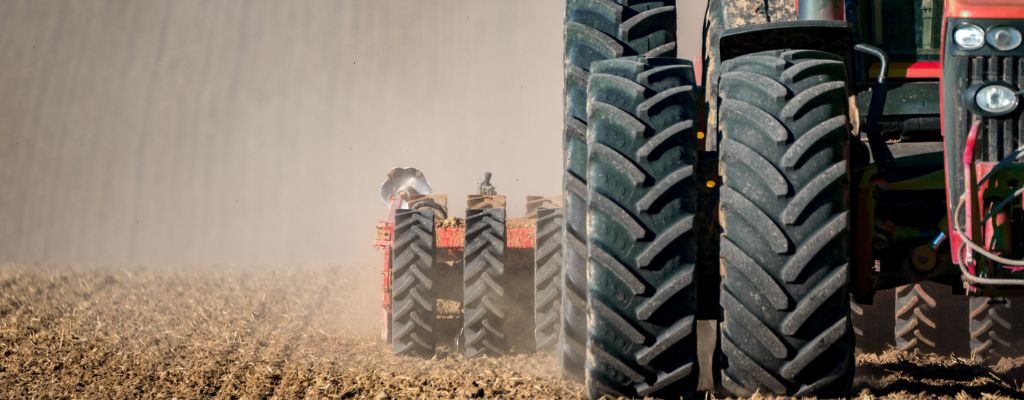
Explore practical ergonomics resources and tools to help identify risk factors, improve work processes, reduce physical strain, and support the health and well-being of workers across farming and agricultural operations.
Slips, trips, and falls remain a common cause of injuries in agricultural workplaces. Good housekeeping, safe access to work areas, ladder safety, and hazard awareness can help prevent incidents. Use these resources to identify potential hazards and support safer work practices on your farm or agricultural operation.
Access training, resources and support to help keep workers safe when working at heights.
Help workers recognize ladder hazards, apply safe work practices, and reduce the risk of falls while performing tasks at height in agricultural workplaces.
Slips, trips and falls are among the most common causes of workplace injuries in agriculture. Learn how to identify hazards, improve housekeeping, maintain safe walking and working surfaces, and reduce fall risks across your operation.
Falls from ladders and step stools can result in serious injuries. Learn how to select the right equipment, inspect it before use, and apply safe work practices to reduce fall risks and improve safety when working at height.
Slips, trips and falls are among the most common causes of workplace injuries. Access practical resources, tools and guidance to help identify hazards, implement effective controls, and create safer work environments for everyone.
While not directly tied to the campaign's focus areas, these resources address other important health and safety topics that can help strengthen your workplace safety program, support worker well-being, and contribute to overall inspection readiness. These resources provide valuable guidance for employers, supervisors, and workers across Ontario's farming and agriculture sector.
Whether you're looking to strengthen an existing program, address a specific workplace concern, or support ongoing improvement, the WSPS team can help. Explore consulting services, training and resources tailored to your operation.